

Article Summary
A 2 in 1 primer concealer and foundation combines complexion-preparation and coverage functions in a convenient format. Depending on its formulation, it may help makeup apply more evenly, conceal the appearance of minor imperfections, and create a unified skin tone. Choosing the right shade, preparing the skin, using an appropriate amount, and understanding the product's actual claims are essential for achieving a comfortable, natural-looking result.
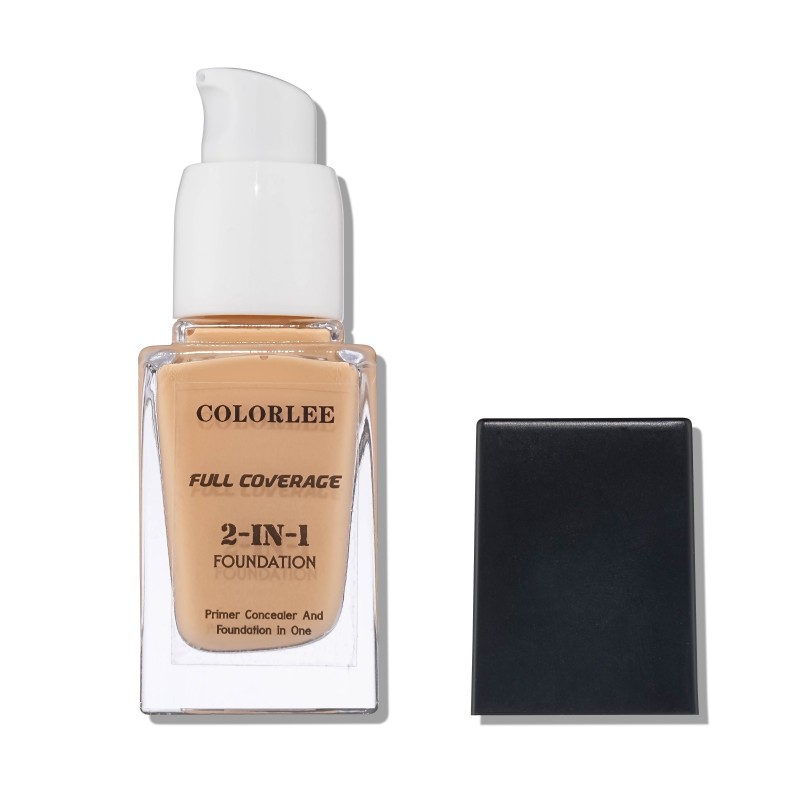
1. Understanding a 2 in 1 Primer Concealer and Foundation
Traditional complexion makeup often involves several steps. A primer is generally used to prepare the skin's surface for makeup, foundation helps even out the appearance of skin tone, and concealer provides more targeted coverage for areas such as blemishes, redness, or under-eye discoloration.
A 2 in 1 primer concealer and foundation takes a multifunctional approach to these tasks. The name may describe a formula intended to combine a makeup-preparation benefit with complexion coverage, potentially reducing the need to apply several separate products. Some products marketed with similar terminology also emphasize concealing performance, but the exact combination of functions varies by formula.
This distinction matters because product names alone do not establish performance. A formula may help makeup spread evenly while offering light or medium coverage, whereas another may focus more strongly on concealing visible imperfections. Not every product replaces a dedicated primer and a high-coverage concealer equally well.
How the Three Functions Work Together
- Primer function: Helps create a more even-feeling surface for makeup application. Depending on the formula, it may also improve the appearance of pores or help makeup wear more evenly.
- Foundation function: Helps create a more uniform-looking complexion by blending visible variations in skin tone.
- Concealer function: Adds coverage to areas that need additional attention, depending on the product's pigment concentration and texture.
The main attraction is convenience. Instead of layering several formulas, users may be able to achieve a coordinated base with fewer steps. However, the right product should still feel comfortable, blend well, and provide the level of coverage appropriate for the intended occasion.
2. Key Benefits of a Multifunctional Base Makeup Product
A Simpler Morning Routine
One of the most practical benefits is the potential to reduce the number of steps in a daily makeup routine. Applying fewer separate products can make getting ready more convenient, especially for busy professionals, students, frequent travelers, or anyone who prefers uncomplicated beauty routines.
A streamlined routine may also make it easier to maintain consistent application. When users are familiar with the texture and coverage of one multifunctional product, they can adjust the amount used without coordinating several different formulas.
A More Unified Complexion
Foundation and concealing functions can help soften the appearance of uneven tone, minor redness, and small blemishes. When the coverage blends naturally with the surrounding skin, the result can look more cohesive without requiring heavy application across the entire face.
The objective is not necessarily to cover every natural skin feature. Many people prefer a finish that looks like skin, allowing freckles and other natural characteristics to remain visible while reducing the contrast of areas they wish to conceal.
Less Product Layering
Applying multiple complexion products can sometimes lead to pilling, uneven texture, or a heavy feeling, particularly when incompatible formulas are layered or each product is applied before the previous layer has settled.
A well-designed multifunctional formula may reduce some of these issues by simplifying the number of layers. It cannot guarantee that pilling or creasing will never occur, since skin preparation, application amount, formula compatibility, and environmental conditions still influence the result.
Convenience for Travel and Touch-Ups
A single complexion product can take up less space than several separate containers. This can be useful when packing for a short trip, carrying makeup in a work bag, or refreshing coverage during the day.
Flexible Everyday Coverage
Depending on the formulation, a thin layer may provide a natural finish, while careful layering on selected areas may increase coverage. This makes application technique important: using less product across the face and adding small amounts where needed often looks more natural than applying a thick layer everywhere.
Keep in mind that not every formula is buildable. If additional layers become visibly heavy or separate on the skin, a separate concealer may still be useful for more concentrated coverage.
3. What to Look for in the Formula
The formula determines much of a complexion product's performance, including spreadability, coverage, comfort, finish, and how it behaves throughout the day. Rather than choosing a product based only on marketing language, consider the characteristics that matter most for your skin and routine.
Texture and Blendability
A formula that spreads evenly can make it easier to avoid obvious edges around the jawline, nose, and hairline. Creamy or fluid textures may be convenient for blending, while thicker textures can provide more concentrated coverage but may require greater care around dry patches and fine lines.
Hydrating Ingredients
Ingredients such as glycerin and hyaluronic acid are commonly used in cosmetic formulations to support hydration-related benefits. Their presence does not automatically mean a product will suit every dry skin type, because the overall formula, concentration, and application method also affect comfort.
If your skin tends to feel tight after cleansing, consider a comfortable base formula and apply an appropriate moisturizer before makeup. Allow the skincare layer to settle before applying complexion products.
Oil-Control and Soft-Focus Ingredients
Some formulas contain absorbent powders or ingredients designed to reduce visible shine and create a softer-looking finish. These features may appeal to people with oily skin, particularly in the T-zone.
Excessive oil control can feel drying for some users. A balanced formula that manages shine without emphasizing flaky areas may provide a more comfortable result.
Pigments and Coverage
Pigments help create the product's color and coverage. A higher concentration of pigment may improve the appearance of discoloration, but the final result also depends on pigment distribution, texture, undertone, and how the product is applied.
Fragrance and Skin Compatibility
Fragrance is a personal consideration, especially for people who know that fragranced cosmetics do not agree with their skin. Review the ingredient list and follow the product's use instructions. A product labeled for a particular skin type is not guaranteed to suit every individual.
4. Choosing a Product for Different Skin Types
The same base makeup formula can look very different on different skin types. Considering how your skin behaves during the day is often more useful than relying on a simple label such as "normal," "dry," or "oily."
| Skin Type or Concern | Formula Characteristics to Consider | Application Tip |
|---|---|---|
| Dry skin | Comfortable, flexible texture with suitable moisturizing support | Moisturize first and blend in thin layers. |
| Oily skin | Lightweight texture with a natural or soft-matte finish | Apply sparingly and set only areas that become shiny. |
| Combination skin | Balanced formula that works across both dry and oily areas | Use less product on the T-zone and avoid over-powdering dry areas. |
| Sensitive skin | Ingredient list that suits personal sensitivities; fragrance-free options may be worth considering | Patch-test before full-face application. |
| Mature skin | Flexible texture that does not feel excessively dry or heavy | Prepare the skin well and use a light hand around fine lines. |
| Uneven tone or visible blemishes | Coverage level that matches the desired result | Build coverage selectively rather than applying a thick layer everywhere. |
For Dry Skin
Dry skin can make certain foundations appear patchy or emphasize flaky areas. Begin with suitable skincare and allow moisturizer to absorb before applying makeup. Use a small amount of product and blend gently instead of repeatedly rubbing the same area.
For Oily Skin
If your complexion becomes shiny during the day, consider a formula designed for a natural or soft-matte finish. Apply a thin layer and observe how it wears before adding more powder. Excessive layering can create a thick appearance without necessarily improving wear.
For Combination Skin
Combination skin may need different approaches in different areas. You might use a lighter layer across the cheeks and focus a little more product on the center of the face. Localized powder application can help manage shine without making the entire complexion look flat.
For Sensitive Skin
Ingredient compatibility should take priority over coverage claims. Check the label for known triggers, introduce the product cautiously, and avoid applying it to irritated or broken skin unless the product directions and professional advice indicate otherwise.
5. How to Find the Right Shade and Finish
Even a well-formulated product can look unnatural if the shade does not match the wearer's skin. Shade selection involves more than choosing a color that appears similar inside a package or under artificial lighting.
Understand Skin Depth and Undertone
Skin depth describes how light or deep the complexion appears, while undertone refers to the underlying warm, cool, neutral, or olive quality of the skin. Two products with similar depth may look noticeably different if their undertones do not match.
- Warm undertones: Often appear more golden, peachy, or yellow.
- Cool undertones: May appear more pink, rosy, or bluish.
- Neutral undertones: Often sit between distinctly warm and cool tones.
- Olive undertones: May have a subtle greenish or muted golden quality.
These are general descriptions rather than strict rules. Undertones can be difficult to identify, and skin may appear different under different lighting conditions.
Test in Natural Light
When possible, test a small amount along the jawline and compare it with the neck. Allow the product to settle before making a decision, because some formulas may change slightly in appearance after application.
Indoor lighting, camera filters, display settings, and online product photographs can all affect perceived color. When buying online, use the manufacturer's shade descriptions and swatches as a guide, but recognize that screen images cannot perfectly reproduce every shade.
Choose the Finish for the Occasion
A natural finish may suit everyday wear, while a more matte appearance can be useful when shine control is a priority. A luminous finish can create a fresh-looking effect, although the amount of visible radiance depends on the formula and the skin underneath.
The best finish is the one that feels comfortable, looks harmonious with your skin, and fits the conditions in which you plan to wear the product.
6. How to Apply It for a Smooth, Natural Finish
Application technique can make a substantial difference to the appearance of a multifunctional complexion product. Using too much product too quickly is a common reason makeup looks heavy, settles into fine lines, or becomes difficult to blend.
Step 1: Cleanse and Prepare the Skin
Begin with clean skin and apply skincare products suitable for your needs. If you use moisturizer or sunscreen, allow the layers to settle according to their directions before applying makeup. This helps reduce unnecessary mixing and movement between layers.
Step 2: Start with a Small Amount
Apply a small amount to the areas where you want to even out the complexion. It is easier to add coverage gradually than to remove excess product after it has been spread across the face.
Step 3: Blend from the Center Outward
Begin around the center of the face and blend outward toward the cheeks, jawline, and hairline. A clean makeup sponge, suitable brush, or clean fingertips may work depending on the texture and product directions.
Step 4: Build Coverage Where Needed
For areas with more visible discoloration, gently tap a small additional amount onto the specific area. Avoid repeatedly dragging the product over the same spot, as excessive movement may disturb the layer underneath.
Step 5: Check the Under-Eye Area
The skin beneath the eyes can be delicate and prone to creasing. Use a minimal amount and blend carefully. If the product is not designed for the eye area, follow its label rather than assuming it can safely replace a dedicated under-eye concealer.
Step 6: Set Strategically
If the formula requires setting or your skin becomes shiny, use a small amount of suitable setting powder where necessary. Applying powder to every area in equal quantities can make the finish look dry, so focus on the areas that need it.
Step 7: Review the Result in Natural Light
Check the jawline, hairline, sides of the nose, and areas where product can collect. If you see visible edges, blend them gently with a clean tool rather than adding more product across the whole face.
7. Common Makeup Problems and Practical Solutions
Multifunctional makeup can simplify a routine, but it still requires suitable skin preparation and application. Recognizing common problems helps users make small adjustments before replacing a product that may otherwise work well.
Problem: Makeup Looks Patchy
Patchiness can result from dry skin, uneven application, excess skincare residue, or a formula that does not work well with the layers underneath.
Solution: Prepare the skin consistently, allow skincare to settle, use a smaller amount, and blend in thin layers. If the problem continues, review whether the formula suits your skin and the products used beneath it.
Problem: Product Settles into Fine Lines
Thick application and excess powder can emphasize natural skin texture, particularly around the eyes and mouth.
Solution: Reduce the amount applied to textured areas and remove excess product with a clean sponge or brush. Set only where necessary.
Problem: The Complexion Looks Too Heavy
Applying a full layer of high coverage and then adding more product everywhere can create a mask-like effect.
Solution: Use the product as a light base and apply extra coverage selectively. Allowing natural skin features to remain visible can produce a more realistic finish.
Problem: Makeup Becomes Shiny During the Day
Natural oil production, humidity, heat, and the product's finish can all affect shine.
Solution: Blot excess oil gently before applying a small amount of powder if needed. Avoid repeatedly adding layers of foundation over oily areas.
Problem: The Shade Looks Different Outdoors
Artificial lighting and screen displays can make a shade appear warmer, cooler, lighter, or darker than it looks in natural light.
Solution: Check the shade in daylight when possible, compare it with the neck, and allow the formula to settle before deciding whether it matches.
Problem: The Product Pills or Rolls Off
Pilling may occur when formulas interact poorly, skincare has not settled, or too much product is being rubbed across the skin.
Solution: Use moderate amounts, allow each layer to settle, and apply the makeup with gentle pressing or blending motions. If the issue persists, simplify the skincare layers and test compatibility.
8. Multifunctional Base Makeup vs. Separate Products
A combined product is not automatically better than a traditional routine. The best choice depends on how much coverage you need, how much time you want to spend applying makeup, and whether you prefer customizing each step.
| Consideration | Multifunctional Base Product | Separate Primer, Foundation, and Concealer |
|---|---|---|
| Routine length | May reduce the number of application steps | Usually involves more individual steps |
| Coverage customization | Depends on how buildable the formula is | Allows different coverage levels in different areas |
| Product coordination | Fewer formulas need to be layered | Formula compatibility may require experimentation |
| Travel convenience | May reduce the number of products to carry | Typically requires several products and tools |
| Specialized needs | Convenient for straightforward everyday makeup | May suit users who need specialized primer or concealer performance |
| Customization | Limited to the functions built into the formula | Offers greater control over finish, coverage, and individual products |
For a quick everyday routine, a multifunctional product can be a convenient option. For professional makeup, pronounced discoloration, specialized skin-preparation needs, or a preference for highly customized coverage, separate products may offer more flexibility.
These approaches can also be combined. A user might apply a multifunctional base product across most of the face and add a dedicated concealer only when more concentrated coverage is required.
9. What to Check Before Purchasing
Product descriptions can make multifunctional makeup sound similar across brands, but the details can differ considerably. Before purchasing a 2 in 1 primer concealer and foundation, review the following factors.
Coverage and Finish Claims
Check whether the product offers light, medium, or full coverage and whether the finish is described as natural, matte, satin, or luminous. Look for clear product descriptions and images that help you understand the intended result.
Shade Range and Undertones
Review the available shades and how the brand describes their undertones. A wider selection may make it easier for different customers to find a suitable match, but individual shade accuracy still depends on the formula and how it appears on the skin.
Ingredient Transparency
Read the ingredient list, usage instructions, and any warnings provided. If you have known sensitivities, check for ingredients you prefer to avoid. Do not assume that a product is hypoallergenic, non-comedogenic, or suitable for sensitive skin unless the relevant claim is supported by the manufacturer's product information.
Packaging and Ease of Use
Packaging can affect portability, hygiene, dispensing control, and the amount of product wasted. Consider whether the container is practical for everyday use, travel, or professional makeup applications.
Product Information and Quality Support
Reliable product information should clearly identify the intended use, directions, ingredient information, net contents, and relevant precautions. For wholesale or private-label purchasing, buyers may also need to review sample availability, shade options, packaging requirements, manufacturing arrangements, and documentation appropriate to their target market.
Value Beyond the Purchase Price
Consider how often you will use the product, whether the shade suits your routine, how much coverage it provides, and whether it genuinely reduces the need for other products. A convenient formula that is rarely used because of a poor shade match may offer less practical value than a simpler product that consistently meets your needs.
10. Frequently Asked Questions
1. What is a 2 in 1 primer concealer and foundation?
It is a multifunctional complexion makeup product designed to combine selected base-preparation and coverage functions. Depending on the formula, it may help makeup apply more evenly, even out the appearance of skin tone, and conceal minor imperfections.
2. Can a 2 in 1 product replace separate primer, concealer, and foundation?
It may replace some or all of these steps for everyday makeup, depending on its actual formulation and your coverage requirements. Users who need specialized pore-smoothing performance or concentrated concealing may still prefer additional products.
3. Is a multifunctional complexion product suitable for oily skin?
It can be, provided the formula and finish suit your skin. People with oily skin may prefer a lightweight texture or a natural-to-matte finish. Applying a thin layer and setting only the areas that become shiny can help avoid a heavy appearance.
4. Can people with dry skin use this type of makeup?
Yes, if the formula feels comfortable and works with their skincare routine. Prepare the skin with suitable moisturizer, allow it to settle, and apply the product gradually to reduce the chance of emphasizing dry patches.
5. How can I prevent my foundation and concealer from looking cakey?
Start with a small amount, blend in thin layers, and add coverage only where necessary. Avoid excessive powder and allow skincare products to settle before makeup application. If the product consistently looks heavy, consider whether its texture or coverage level suits your skin.
6. Should I apply moisturizer before a 2 in 1 primer concealer and foundation?
If moisturizer is part of your skincare routine, generally apply it before makeup and allow it to settle according to its directions. The amount and type of moisturizer should suit your skin, and compatibility between skincare and makeup formulas can affect the finish.
7. How do I select the correct foundation shade online?
Compare the brand's shade descriptions, undertone information, and swatches. Consider your neck and overall complexion rather than selecting a shade based only on facial redness. Remember that screen settings and lighting can alter how colors appear.
8. Can I use this product under my eyes?
Only if the product's instructions indicate that it is suitable for the intended area. Apply a small amount carefully and avoid direct contact with the eyes. A dedicated under-eye concealer may be preferable if the combined product feels too thick or settles into fine lines.
9. Does a primer-concealer-foundation combination provide sun protection?
Not necessarily. Do not assume a complexion product provides sun protection unless its label specifically identifies an appropriate sun-protection claim. Follow the directions of any sunscreen you use, and apply a separate broad-spectrum sunscreen when needed.
10. How should I store my complexion makeup?
Follow the product's storage instructions, keep the container closed, and avoid excessive heat, direct sunlight, and contamination. Observe the period-after-opening symbol where provided, and discard the product if its appearance, odor, or texture changes unexpectedly.
11. Is a 2 in 1 complexion product suitable for professional makeup use?
It can be useful for selected looks and workflows, especially when a streamlined base is desirable. Professional makeup artists should evaluate shade range, coverage flexibility, wear performance, ingredient information, and compatibility with other products before incorporating it into a service.
12. What should wholesale buyers consider when sourcing this product?
Wholesale buyers should review the product specification, shade range, formula information, packaging choices, sample availability, minimum order quantities, lead times, and relevant market documentation. Requirements differ by supplier and destination market, so these details should be confirmed before an order is finalized.
Conclusion: Simplify Your Complexion Routine with the Right Formula
A 2 in 1 primer concealer and foundation can offer a convenient way to streamline everyday makeup while helping create a smoother-looking, more even complexion. Its real value depends on the formula, shade accuracy, coverage level, skin compatibility, and the way it is applied.
For the best experience, start with suitable skincare, choose a shade that complements your complexion, and apply the product in thin layers. Understand which functions the formula genuinely provides, and do not hesitate to supplement it with another product when a specific concern requires additional coverage or preparation.
Whether you are selecting makeup for personal use, expanding a beauty collection, or researching products for a retail or private-label project, careful evaluation of formulation, packaging, shade options, and product information can help you make a more informed decision.
Discover Beauty Solutions with Boni
Boni is a beauty brand for customers exploring practical makeup solutions and complexion products that fit modern beauty routines. When evaluating a 2 in 1 primer concealer and foundation, it is important to consider the desired coverage, comfortable texture, shade suitability, packaging, and intended market.
Whether you are looking for an easier everyday makeup routine or exploring complexion makeup opportunities for your beauty business, take time to review product details and identify the features that matter most to your customers.
Interested in learning more about Boni and its beauty product offerings? Visit the brand's official product information channels to review available options. For product inquiries, sourcing discussions, or further information, contact us to discuss your requirements and explore potential opportunities.
Make your next beauty product decision with a clear understanding of your goals, your customers, and the results you want to achieve.
Product note: Formulas, ingredients, coverage, finish, and intended use vary by product. Always review the specific product label and manufacturer's directions. Individual results may differ depending on skin characteristics, preparation, application technique, and environmental conditions.