

Kraft Paper Box Original Manufacturer Benefits for Sustainable Packaging
2026-10-15
Sustainable packaging isn't a trend—it's a quiet promise to the planet. When that promise starts at the source, with a kraft paper box original manufacturer like Kuaijie Carton, every fold, cut, and fiber tells a story of lower impact, smarter sourcing, and real-world durability. Here's why partnering directly with an experienced manufacturer changes what your packaging can do for your brand and the environment.
Why Original Kraft Box Makers Are the Unsung Heroes of Sustainable Packaging
Most brands love to talk about their recycled mailers or plastic-free tape, but the people who actually make the uncoated kraft boxes behind those claims rarely get mentioned. They’re the ones testing board weights, folding techniques, and glue types so a box can survive shipping without a single strip of plastic reinforcement. That quiet, iterative work is what keeps the whole idea of sustainable packaging from being just a marketing slide.
A good original kraft box maker doesn’t just sell you a box; they help you buy fewer of them. They know how to adjust dimensions and wall thickness so you’re not paying for (and shipping) empty space. That might sound small, but multiply it across thousands of orders and it cuts down on cardboard waste, fuel, and warehouse clutter. No press release celebrates that, but it’s often more impactful than switching to a “greener” logo sticker.
And because many of these makers run smaller operations, they’re more willing to experiment with water-based inks, unbleached fibers, or compostable adhesives that big suppliers avoid due to cost or speed. They’re close enough to the cutting table to see what works and what doesn’t. In an industry that loves grand announcements, these are the folks doing the unglamorous daily labor of making less harmful packaging actually functional.
Cutting Out the Middleman: The Supply Chain Shift That Lowers Carbon
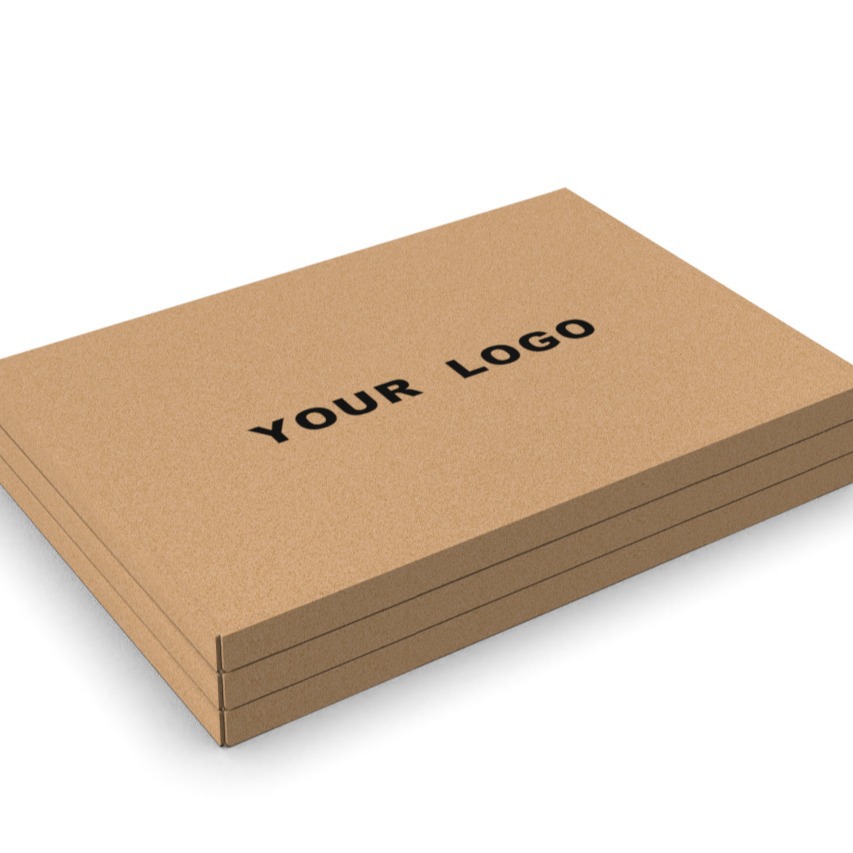
Cutting layers out of a supply chain isn't just about cost savings—it directly removes carbon-heavy steps. When products pass through multiple distributors, each handoff adds another truck journey, more warehousing, and extra packaging. A shorter chain keeps goods moving from maker to buyer with far less idle handling and fewer fossil-fueled miles.
Consider specialty coffee. Roasters that buy directly from farmer cooperatives skip the import-export middlemen who often route beans through two or three regional hubs before they reach a port. Fewer stops means containers fill more efficiently and travel lighter, while farmers receive a larger share of the price and can fund regenerative practices. The climate benefit comes from both fewer transport legs and less energy spent on repeated repacking and storage.
Digital sourcing platforms now let small retailers place orders straight from manufacturers, bypassing regional distributors that once added a full extra delivery loop. In produce, subscription models that connect consumers with nearby growers shrink cold-chain distances dramatically. Even removing one intermediary layer can cut a product's transport emissions by double digits, and it often shortens lead times as a bonus.
Custom Boxes Straight From the Source: Less Waste, More Credibility
Ordering custom boxes straight from the manufacturer does more than trim your budget. It eliminates the layers of repackaging and extra handling that often come with distributors. Every sheet of board is used with intent, and offcuts are typically pulped and recycled right on the factory floor instead of sitting in a warehouse. You can reorder in smaller batches that match actual sales, which means you're not stuck with a pallet of outdated boxes six months later.
When you work directly with the source, you get a clear view of the materials, the printing process, and the quality checks. That transparency has a way of reaching your customers. A box that feels honest—no excessive wrapping, no vague promises—tells people the brand behind it is grounded and confident. It's a quiet kind of credibility that can't be faked with glossy finishes alone.
Choosing source-level custom boxes is less about following a green trend and more about respecting the resources you use. Every box becomes a small statement: the same care that went into the product extends to how it's packed and shipped. That consistency builds trust over time, and it starts with cutting out everything that doesn't need to be there.
The Factory-Floor Fix: How Direct Sourcing Reduces Packaging Footprints
When materials arrive at a plant already cut to size, pre-sorted, and stripped of excess wrapping, the loading dock stops looking like a cardboard graveyard. Direct sourcing skips the distributor's extra layer of padding and labeling, so what enters the building is closer to what actually gets used. Fewer nested boxes, less foam sheeting, and almost no plastic strapping that ends up in the baler by noon.
The shift also changes how teams think about waste on the floor. Instead of breaking down oversized pallets and folding dozens of void-fill sheets, operators unpack once and move on. Over a month, that adds up to fewer dumpster pickups and a cleaner staging area where inbound packaging no longer competes with work-in-progress bins for floor space.
Some plants go further and ask suppliers to ship in returnable crates or collapsible bins sized for specific workstations. That turns packaging from a one-way cost into a reusable loop, cutting both inbound waste and the time spent hauling flattened cardboard to the recycling dock.
From Recycled Pulp to Finished Box: The Efficiency Only Originals Can Offer
Most packaging suppliers treat recycled pulp as a cost-saving shortcut, but that mindset quietly erodes throughput and box integrity. When you work with genuine originals, the process is engineered backward from the finished box's performance requirements. That means fiber blending, drying curves, and flute profiles are calibrated as one continuous flow—not patched together from generic stock. The result is a line that runs at full speed without constant jams or warped sheets, and a box that holds its shape from the palletizer to the retail shelf.
The efficiency gap shows up in places you wouldn't expect. Recycled pulp often carries variable moisture and short fiber lengths, which forces slower corrugator speeds and higher reject rates. Originals pre-treat and refine the pulp so it behaves predictably through every stage—from wet end to dry end to converting. That predictability translates into fewer unscheduled stops, less adhesive waste, and a smoother handoff between printing and die-cutting. In short, you stop managing variability and start running a system built around your exact box specifications.
There's also a hidden cost in trying to force a standard recycled sheet into a high-performance box design. Edge crush, burst strength, and stacking endurance all depend on how the fibers are oriented and bonded. Original manufacturers adjust the refining energy and formation pattern for the specific box grade, so you get maximum strength per gram of fiber. That's why some lines achieve 20–30% higher output with the same raw material input—because nothing is left to chance between the bale and the finished box.
A Greener Brand Story Starts With the Manufacturer, Not the Marketplace
The assumption that a brand's environmental credibility is built at the point of sale ignores where most of the impact actually occurs. Factories, dye houses, and raw material suppliers account for the bulk of a product's carbon and water footprint, yet their stories rarely reach the consumer. When a company starts by auditing its manufacturing base—looking at energy sources, chemical inputs, and waste streams—it uncovers opportunities that no retail campaign could ever invent.
A manufacturer that replaces coal with on-site solar, recovers heat from dye baths, or redesigns packaging to eliminate single-use plastics isn't just reducing harm; it's creating a narrative with substance. These operational changes become the evidence a brand can later share without exaggeration. The marketplace may be where customers first notice a green claim, but the claim itself must be rooted in what happened on the factory floor months earlier.
Shifting the focus to manufacturing also changes the conversation with suppliers. Instead of demanding a sustainability report at the end of the quarter, brands can co-invest in cleaner equipment or jointly train workers on efficient material handling. This collaborative approach produces stories that are specific, verifiable, and difficult to copy—exactly the kind of differentiation that matters in a crowded market.
FAQ
Kraft paper decomposes in a matter of months under the right conditions, unlike plastic that lingers for hundreds of years. It is made from wood pulp sourced from forests where replanting is standard practice, so the supply renews itself. Many customers also associate kraft paper with responsible brands, which builds trust without needing extra advertising.
Dealing directly with the factory removes the extra warehousing and shipping steps that come with distributors or resellers, which lowers the total carbon footprint of your packaging supply chain. You also gain the ability to specify eco-friendly materials from the start, such as unbleached kraft, recycled liner, or starch-based glue, instead of settling for whatever is sitting in a warehouse.
Yes, when manufactured with the right corrugated layers or rigid board, kraft paper boxes handle stacking, moisture, and rough handling quite well. Original manufacturers can adjust the flute size, wall thickness, and basis weight to match your product's weight and fragility, meaning you do not sacrifice protection for sustainability.
Customization does not have to compromise sustainability if you choose water-based inks, minimal coatings, and designs that avoid plastic lamination. An original manufacturer can guide you toward unbleached liners and single-material constructions that are easier for recycling facilities to process, while still printing your branding clearly.
Look for high post-consumer recycled content, FSC-certified virgin fibre, and chlorine-free bleaching processes. You can also ask the manufacturer about their waste handling and whether they offer a take-back or closed-loop collection programme for offcuts and rejected boxes.
Kraft paper has a well-established recycling stream in most regions, so used boxes are often turned into new paper products rather than sent to landfill. When it does end up in the environment, it breaks down naturally without leaving microplastics behind, which is a major advantage over plastic film or bubble wrap.
A factory that produces kraft boxes in-house can engineer the structure to use less material while maintaining strength, such as by optimising flute profiles or removing unnecessary inserts. They can also repurpose production offcuts into padding or smaller boxes, cutting the waste that would otherwise be generated during manufacturing.
Buying direct often gives you better per-unit pricing because there is no distributor markup, and you can order larger runs to reduce per-box transport emissions. Over time, the savings from lower damaged goods and easier customer disposal can offset slight material price differences compared to plastic alternatives.
Conclusion
Kraft paper box original manufacturers quietly anchor the shift toward genuinely sustainable packaging by keeping the entire process under one roof. Instead of relying on intermediaries who add transport miles and redundant handling, these makers transform recycled pulp into finished boxes in a single, tightly controlled flow. That factory-floor continuity eliminates unnecessary shipping legs, trims energy use, and keeps material waste far below what typical reseller channels produce. Because the mill, the die-cutter, and the printing line sit steps apart, offcuts and rejected blanks are immediately re-pulped rather than trucked away, and customers receive custom dimensions that match their products exactly—no void fill, no oversized cartons, no costly rework. This direct line from pulper to pallet means every box carries a lighter carbon footprint by design, not by offsetting.
Beyond the measurable resource savings, sourcing straight from the original manufacturer rewrites the brand narrative around credibility. A company that can name the facility where its boxes are molded, folded, and printed speaks with more authority than one pointing to a marketplace listing. That transparency turns packaging into proof of intent: buyers see recycled content verified at the source, production runs sized to actual demand, and lead times that reduce speculative inventory. The original maker becomes a partner in telling a greener story—one grounded in equipment, material chemistry, and accountable logistics rather than vague eco-claims. In a landscape saturated with greenwashing, the quiet efficiency of the factory floor offers the rarest advantage: a supply chain that is visibly, verifiably leaner from pulp to package.
Contact Us
Contact Person: Tan Xiang
Email: [email protected]
Tel/WhatsApp: 8613798906863
Website: https://www.dgkjzx.com